Sweet Science, Sharp Money: Reading Boxing Odds Before the Rest of the World Catches Up
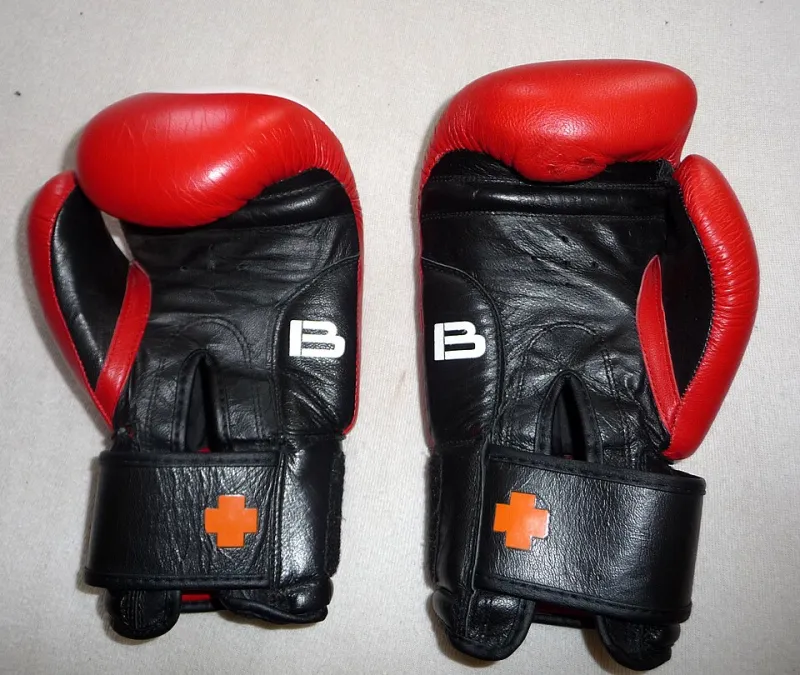
Photo: I would appreciate being notified if you use my work outside Wikimedia. Do not copy this image illegally by ignoring the terms of the license below, as it is not in the public domain. If you would like special permission to use, license, or purchas
If you've ever watched a boxing line move 40 points overnight with zero mainstream news to explain it, you already know something is different about this market. Football bettors expect lines to shift after injury reports drop or weather forecasts change. In boxing, the catalysts are murkier, the information leaks slower, and the window to act on what you know is often wider than in any other sport.
That's not a bug. For informed bettors, it's the whole feature.
Why Boxing Lines Don't Behave Like Everything Else
Team sports betting markets are brutally efficient by now. The moment an NFL starter gets limited in Wednesday practice, a thousand sharp accounts are already adjusting their models. The lines move fast because the information is public, the ecosystem of analysts is enormous, and the sportsbooks are watching everything in real time.
Boxing is a different animal entirely. The sport involves two individuals, not rosters. There are no daily injury reports, no beat reporters embedded with training camps, and no advanced analytics infrastructure producing publicly available data. What you get instead is a much smaller information ecosystem — a handful of insiders, a few credible journalists, and a loose network of gym rats and promoter contacts who actually know what's happening.
That ecosystem leaks information slowly. And slow leaks are where patient, well-positioned bettors make their money.
The Signals That Move Lines Before Anyone's Talking
Here are the fighter-specific factors that consistently create exploitable line movement in boxing — usually days before mainstream sports media picks them up:
Trainer Switches and Camp Drama
This is the single most underrated line mover in boxing. A fighter switching head trainers six weeks out from a major fight is the equivalent of a starting quarterback changing his offensive coordinator mid-season — except nobody's covering it on ESPN. Trainer relationships in boxing are deeply personal and highly consequential. A new voice in the corner can change a fighter's gameplan, footwork, and mental approach entirely.
When credible boxing journalists or gym insiders start dropping hints about camp instability — even vague ones — pay attention. The line will eventually reflect it. Your job is to be positioned before that happens.
Injury Whispers
Fighters don't get placed on injury reports. But they do get hurt in training camps, and that information finds its way out through physical therapists, sparring partners, and local gym chatter. A hand injury or a knee issue six weeks out from a fight can completely change how a boxer approaches the bout — or whether they're actually at full capacity when they walk into the arena.
Follow the boxing beat writers who are actually embedded in the gym scene, not just the ones covering press conferences. The difference in what they know is enormous.
Weight and Rehydration Speculation
In combat sports, the weight cut is a fight within the fight. A boxer who struggles badly on the scale — or who has a history of draining down to make weight — is physiologically compromised in ways that don't show up anywhere in the official record. If credible sources are suggesting a fighter is having a rough weight camp, that's a significant edge before the line adjusts.
Promotional and Financial Pressure
This one's subtle but real. Fighters who are in financial disputes with promoters, who are fighting for a paycheck after a long layoff, or who are in a contractual situation where a loss actually benefits their ability to exit a deal — these motivational factors influence performance in ways that standard handicapping completely ignores. The boxing business is messy, and the messiness bleeds into the ring.
How to Read Early Sharp Action in Boxing
Once you've done your homework on the qualitative factors above, the next step is watching how the line actually moves — and learning to distinguish sharp action from public noise.
In boxing, early line movement (more than two weeks out from a fight) is almost always sharp money. The public doesn't care about a fight until fight week. If a line opens at -180 for the favorite and drifts to -155 over the first few days without any public news to explain it, someone with real information is on the underdog. That's worth investigating.
Conversely, big line movements in the final 48 hours before a fight often represent public money piling onto the name fighter or the more recognizable narrative. That's frequently a fade opportunity if you've already identified reasons to like the other side.
Building a Boxing Betting Framework
Here's a practical approach for bettors looking to get serious about the sweet science:
Step 1 — Build your information sources. Follow the reporters and analysts who are actually in gyms, not just at press junkets. Twitter/X remains the fastest-moving platform for boxing insider information. Identify three to five accounts that have a track record of accurate early reporting.
Step 2 — Track opening lines. Bookmark the lines the moment they're posted. Early movement tells you where the informed money is going before the public narrative forms.
Step 3 — Contextualize the stylistic matchup. Boxing odds often misprice style mismatches. A technically superior boxer facing a brawler might be undervalued if the public is overweighting the brawler's knockout power. Do the film work.
Step 4 — Size accordingly. Boxing carries more variance than team sports because a single punch can end everything in a second. Manage your units accordingly — even high-confidence spots deserve measured sizing given the inherent unpredictability of combat sports.
The Window Is Shorter Than You Think
Boxing markets are becoming more efficient every year as more sharp money and more sophisticated modeling enters the space. The exploitable windows that existed five years ago are narrowing. But they haven't closed. The information ecosystem around individual fighters is still fragmented enough, and the mainstream coverage still thin enough, that well-positioned bettors can consistently find value before the lines fully reflect reality.
At BetMy88, the whole game is about finding your edge before the crowd catches on. In boxing, that edge is still there — you just have to know where to look for it.